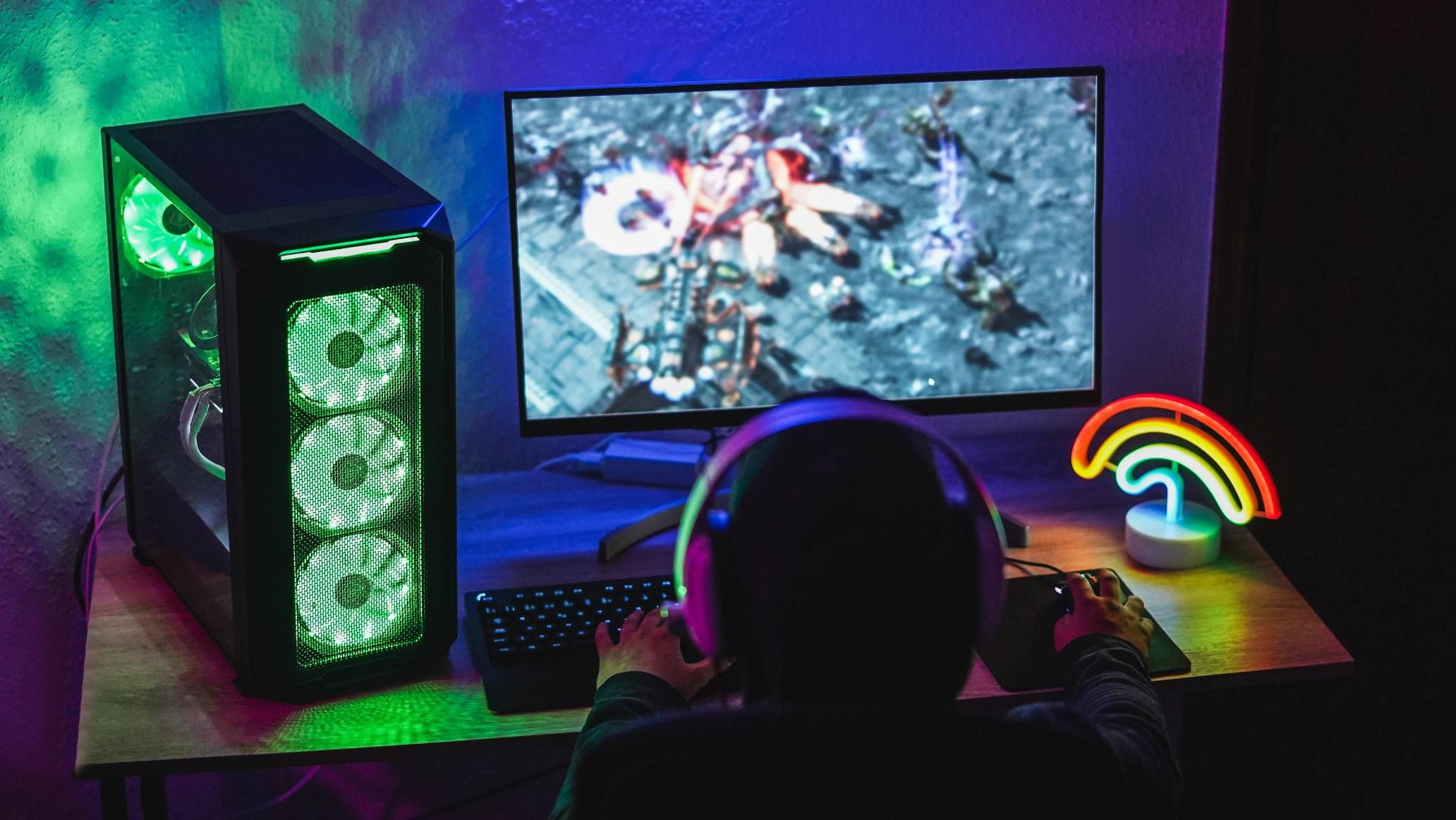
The Evolution of Gaming Graphics: From Pixels to Realism
The journey of gaming graphics has been nothing short of revolutionary, transitioning from the simplistic pixelated graphics of the early 1980s to the stunning realism we see today. Initially, games like Pong and Space Invaders featured blocky, monochromatic designs that laid the foundation for future innovations. As technology improved, the introduction of 16-bit consoles allowed for more sophisticated designs and colors, leading to the rise of iconic franchises such as Super Mario and Sonic the Hedgehog. The 3D graphics revolution in the 1990s, marked by titles like Doom and Final Fantasy VII, transformed gaming into a fully immersive experience, paving the way for the detailed visuals we often take for granted today.
Fast forward to the present, and the graphics in gaming are now characterized by photorealism, complex textures, and intricate animations. Modern game engines, such as Unreal Engine and Unity, harness the power of advanced rendering techniques like ray tracing that simulate the way light interacts with virtual environments. This technology elevates the visual fidelity of games, creating breathtaking landscapes and lifelike characters that draw players into their worlds. With the ongoing advancements in graphics technology, we can only imagine what the future holds for gaming, as developers continue to push the boundaries of what's possible in interactive media.
Counter-Strike is a popular multiplayer first-person shooter game that has gained immense popularity since its release. Players can choose to play as terrorists or counter-terrorists, with the goal of completing objectives such as bomb defusal or hostage rescue. Additionally, maintaining performance during intense gaming sessions can be crucial, so players often look for Top 10 iphone cooling fans to ensure their devices stay cool.
How Gaming Enhances Cognitive Skills: A Deep Dive
Gaming has evolved from a mere recreational activity into a powerful tool for enhancing various cognitive skills. Studies have shown that playing action games can significantly improve players' visual attention and spatial awareness. For instance, when engaged in fast-paced video games, players must constantly track multiple objects and make quick decisions, honing their ability to process visual information efficiently. This type of gameplay not only enhances reaction times but also develops critical thinking skills as gamers must strategize and adapt to ever-changing scenarios.
Moreover, role-playing and puzzle games challenge players with complex problem-solving tasks, which play a vital role in strengthening memory and reasoning abilities. According to research, games that require players to remember locations, patterns, and sequences can lead to improved working memory and enhanced cognitive flexibility. Features like multiplayer interactions further boost communication and teamwork skills, encouraging players to cooperate and devise strategies together. Overall, engaging in gaming can provide a fun and effective way to sharpen cognitive skills while enjoying a richly immersive experience.
What Makes a Game Truly Immersive? Exploring the Elements of Engagement
In the world of gaming, immersion is a key factor that determines the quality of the experience. A truly immersive game captures the player’s attention and draws them into its universe, making them feel like an integral part of the story. Several elements contribute to this sensation, including narrative depth, visual fidelity, and sound design. For instance, a well-crafted narrative with relatable characters can evoke emotions, while high-quality graphics create a believable environment. Moreover, immersive soundscapes augment the gaming experience by enhancing the atmosphere and enabling players to feel the tension or excitement of their surroundings.
Another crucial component of engagement is interactive gameplay. This includes mechanics that allow players to make meaningful choices, impacting the story and the game world. Games that offer a range of customization options or varying gameplay styles tend to keep players invested, as they can tailor their experiences to match their preferences. Additionally, the use of virtual reality and augmented reality technologies has taken immersion to the next level, providing players with an unparalleled sense of presence. Ultimately, the combination of these elements creates a rich tapestry that makes a game not just a pastime, but a fully-engaging experience.