Exploring the Intersection of Video Game Art and Traditional Art Forms
The world of video games has evolved significantly over the years, merging technology with creativity to create immersive experiences. At the heart of this evolution is the art that fuels the visual storytelling in gaming. Video game art draws inspiration from various traditional art forms, including painting, sculpture, and even photography. Many contemporary game designers and artists study these traditional techniques to enhance their digital creations, often blending 2D and 3D art with classical elements. The result is a unique form of expression that resonates with players, evoking emotions and telling stories in a way that traditional art alone may not achieve.
Moreover, the fusion of video game art with traditional forms opens up new avenues for artistic exploration. For example, the use of color, composition, and lighting, staples in both painting and photography, are vital in developing an engaging gaming environment. Exhibitions showcasing video game art have emerged in galleries around the world, highlighting this intersection and challenging preconceived notions about what art should be. As the lines between digital and traditional art continue to blur, artists and gamers alike are forced to reevaluate what constitutes creative expression in this new digital age.
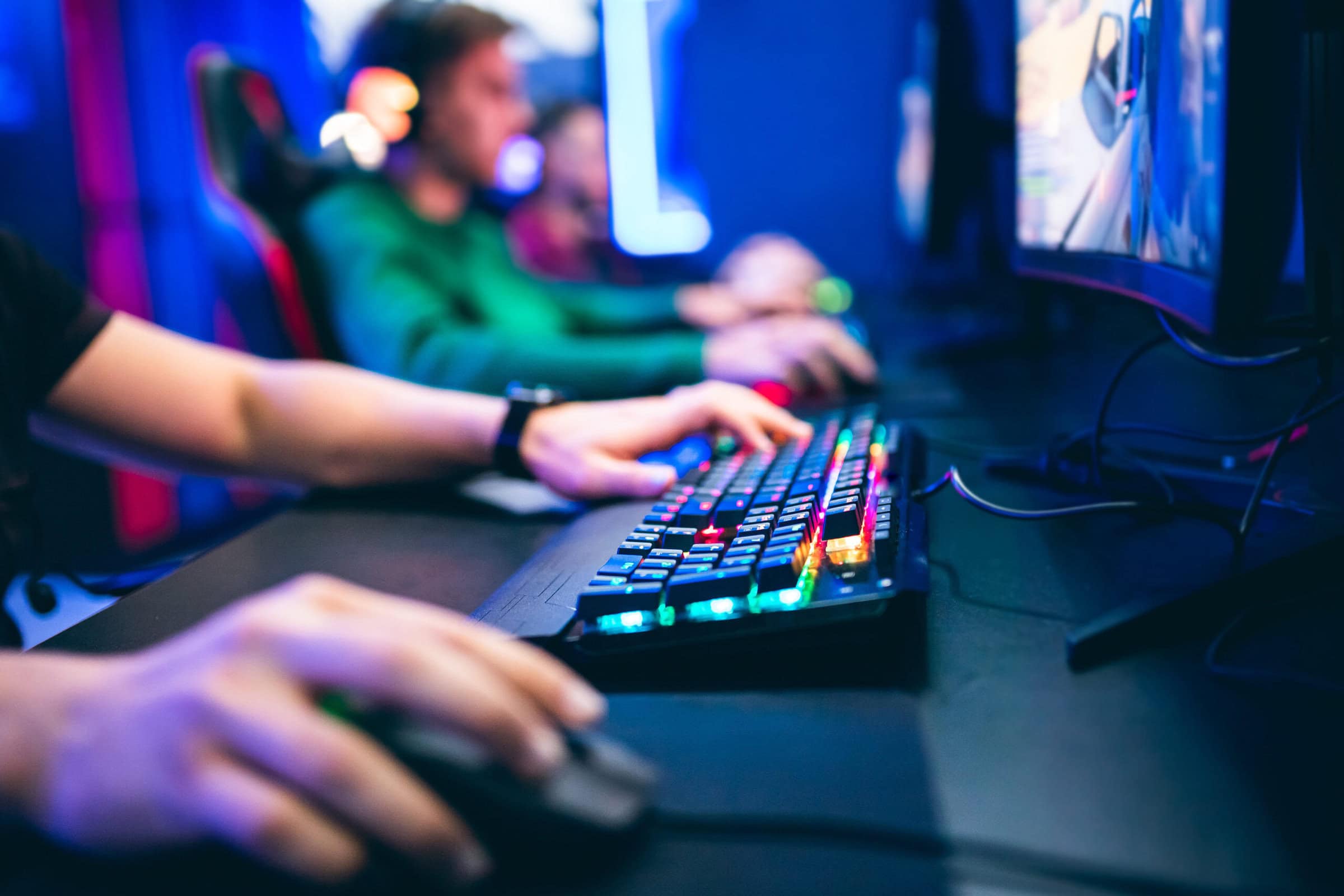
Counter-Strike is a team-based first-person shooter game that has become a staple in the esports community. Its competitive nature and strategic gameplay require quick reflexes and teamwork to succeed. Players can enhance their gaming setup by choosing the right display; for instance, check out the Top 10 external monitors for mac to elevate your experience.
How Video Game Design Influences Modern Art Trends
The intersection of video game design and modern art is an intriguing phenomenon that reflects the evolution of both fields. As video games have transitioned from simple pixelated graphics to immersive, high-definition worlds, they have begun to adopt techniques traditionally associated with fine arts. Elements such as color theory, composition, and storytelling, once reserved for painters and sculptors, are now prevalent in the digital landscapes of contemporary video games. Artists are utilizing game mechanics as a new medium for expressive creations, blurring the lines between entertainment and artistic expression.
Moreover, video game design has significantly influenced modern art trends through the incorporation of interactive installations and multimedia exhibits that encourage audience engagement. Artists like Jenova Chen, co-founder of thatgamecompany, exemplify how gameplay mechanics can lead to emotional experiences akin to traditional art. As game aesthetics permeate galleries and art shows, we see a growing appreciation for the skills involved in game creation, challenging preconceived notions of what art can be. This fusion of technology and creativity not only reshapes the art world but also paves the way for future innovations in both fields.
What Makes Video Game Art Unique: A Deep Dive into Its Aesthetic
The aesthetic of video game art is a unique blend of visual storytelling and interactive design, distinguishing it from traditional forms of art. Video games combine graphics, animation, and sound to create immersive worlds that players can explore. Unlike static paintings or sculptures, video game art evolves with player interaction, adapting to choices and actions, which adds a dynamic layer to its visual appeal. This creates a rich tapestry of experiences, where each element, from character design to environmental textures, contributes to the overall narrative and emotional impact.
Moreover, the styles of video game art are incredibly diverse, ranging from hyper-realistic graphics seen in modern AAA titles to the charming aesthetics of indie games. Game developers often draw inspiration from a wide array of artistic movements, including impressionism, abstract art, and even pop culture, resulting in a cornucopia of styles. With the advent of technology, tools such as 3D modeling and animation software have expanded the possibilities for artists, allowing for innovative designs that push the boundaries of visual creativity. This amalgamation of art forms truly sets video game art apart and highlights its significance in the larger dialogue of contemporary art.