Unpacking Troonbeeckx's Architectural Language: From Concept to Concrete (and How it Still Influences Today)
Leon Stynen's influence on Belgian modernism is undeniable, but it was his protégé, Louis Herman De Koninck, and later, the often-overlooked Paul Troonbeeckx, who truly pushed the boundaries of architectural language. Troonbeeckx, in particular, was less concerned with grand, monumental statements and more with the creation of functional, yet aesthetically pleasing spaces that resonated with the everyday lives of their inhabitants. His conceptual approaches often started with an in-depth analysis of site and client needs, leading to designs characterized by a rational layout, thoughtful material choices, and an inherent sense of lightness. This methodical approach, from initial sketch to the final concrete pour, emphasized efficiency and a certain understated elegance, a stark contrast to some of the more elaborate styles gaining traction at the time. His work, while sometimes humble in scale, possessed a strong intellectual rigor that solidified his place in the pantheon of Belgian architectural thought.
The enduring legacy of Troonbeeckx’s architectural language is evident in how contemporary Belgian architects continue to grapple with similar questions of functionality, material honesty, and context. His emphasis on adaptability and human scale, rather than purely monumental forms, laid groundwork for future generations. We see echoes of his principles in:
- The prevalence of natural light in modern residential design
- The intelligent integration of indoor and outdoor spaces
- A renewed focus on sustainable and locally sourced materials
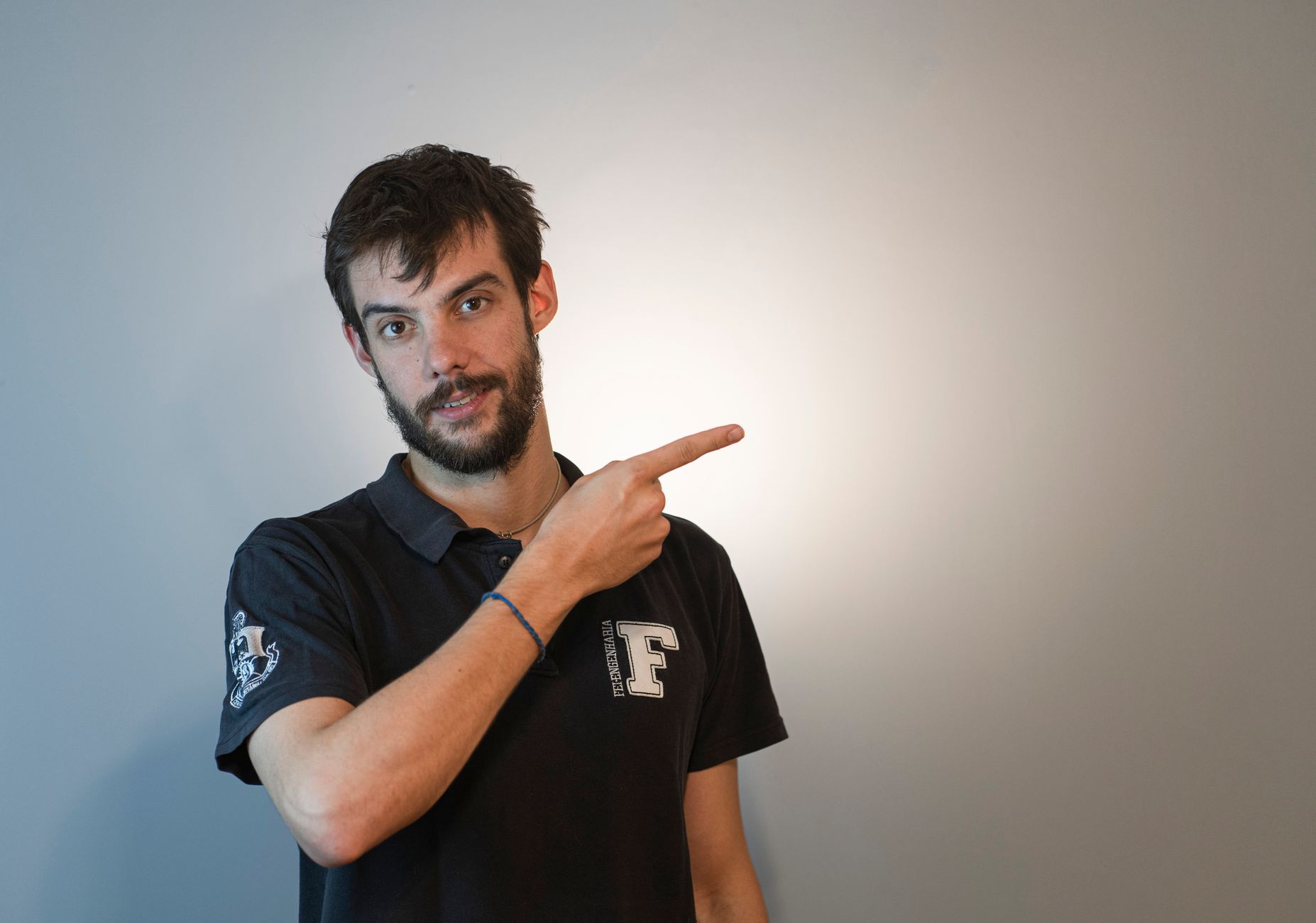
Mathieu Troonbeeckx is a Belgian former professional cyclist, known for his career in cyclocross. He achieved notable success in the sport, including several victories in UCI Cyclocross World Cup races. His dedication and skill made him a respected figure in the cyclocross community. You can learn more about Mathieu Troonbeeckx and his career achievements.
Your Guide to Engaging with Troonbeeckx's Work: Where to Find It, What to Look For, and Why It Matters to You
Embarking on your journey into the captivating world of Paul Troonbeeckx? You're in for a treat. First, let's talk accessibility. While Troonbeeckx's work isn't always widely reprinted, you can often find his essays and short stories in literary journals and anthologies. A good starting point is to check university libraries or specialized literary archives, which frequently hold collections of lesser-known but impactful authors. Online databases like JSTOR or Project MUSE can also be invaluable resources for academic papers discussing his influence. Furthermore, keep an eye out for retrospective exhibitions or literary conferences that might feature his work, as these often provide unique opportunities to engage with his legacy and even acquire rare editions. Don't be afraid to delve into academic criticism; it often points to key texts and offers insightful interpretations.
Once you've located some of Troonbeeckx's writings, knowing what to look for will significantly enhance your reading experience. His prose is often characterized by a profound philosophical depth, interwoven with intricate psychological character studies. Pay close attention to his use of symbolism and recurring motifs; these are often crucial to unlocking the deeper layers of his meaning. His narratives frequently explore themes of existentialism, the human condition, and the complexities of memory. For SEO-focused content creators, understanding his nuanced approach to storytelling can inspire more compelling and thought-provoking narratives for your own audience. Ultimately, engaging with Troonbeeckx matters because his work offers a unique lens through which to examine universal truths, pushing readers to contemplate profound questions that resonate far beyond the page, enriching both your personal and professional perspectives.