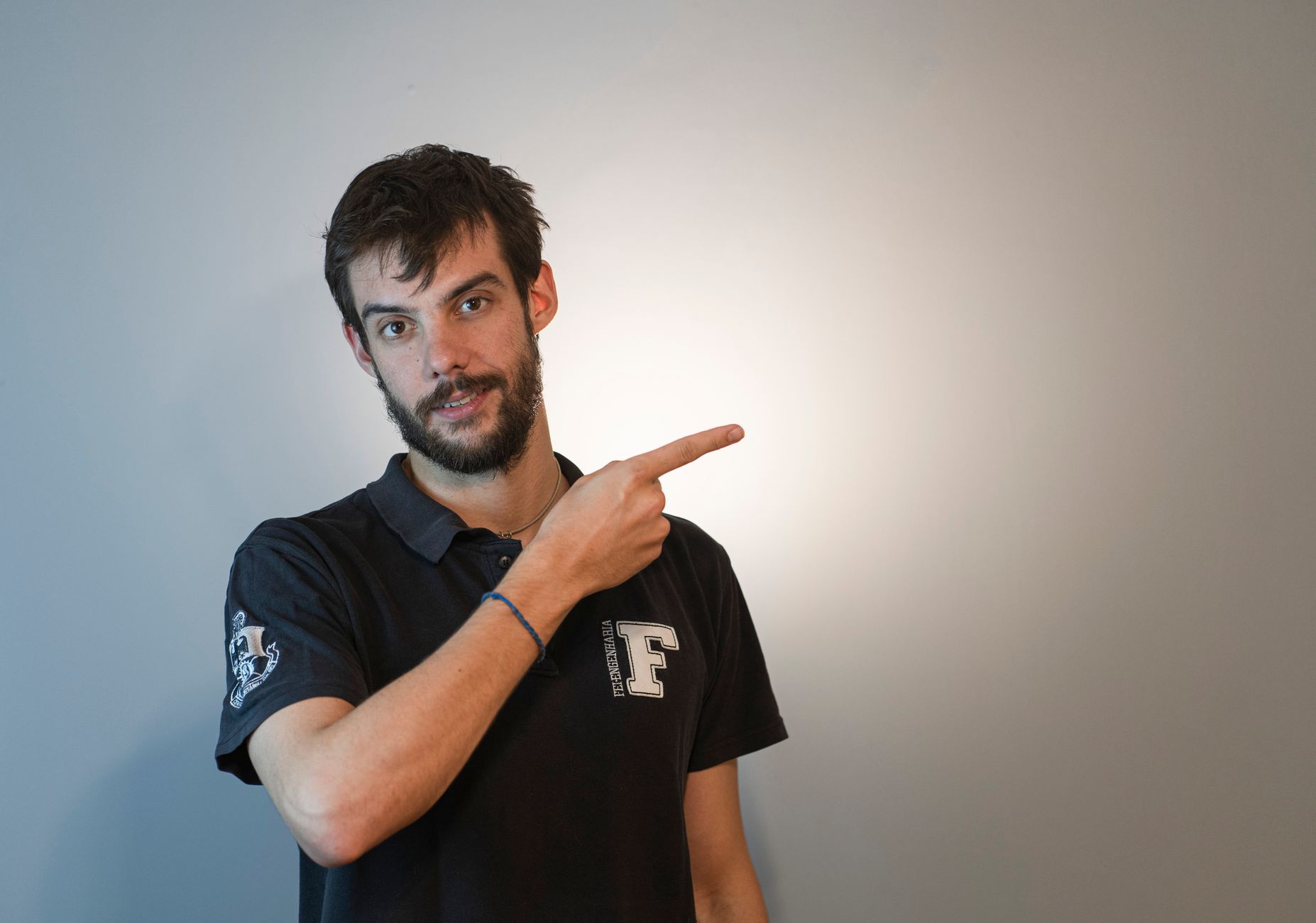
Clément Rodrigues' Blueprint: Demystifying His Vision for Digital Renaissance (Explaining the 'What' and 'Why' of His Approach, Common Misconceptions, and Practical Steps You Can Take to Align with His Vision)
Clément Rodrigues' vision for a 'Digital Renaissance' isn't simply about adopting the latest tech; it's a profound re-evaluation of our relationship with digital spaces, emphasizing ethical design, user sovereignty, and a return to meaningful online interactions. At its core, his approach deconstructs the prevailing profit-at-all-costs model, arguing that sustainable digital growth stems from genuine value creation and a respect for human agency. He posits that current digital paradigms often lead to burnout, misinformation, and a fragmented sense of self, and the 'Renaissance' he envisions seeks to reverse this trend. Think of it as moving beyond the attention economy to a value economy, where platforms are built to empower, not to exploit. This involves not just technological shifts, but a fundamental change in how we conceive of and build digital products and communities.
A common misconception about Rodrigues' blueprint is that it advocates for a complete rejection of commercial interests, or a return to a pre-internet utopia. This couldn't be further from the truth. Instead, he champions a re-calibration of incentives, where economic success is intrinsically linked to positive societal impact and user well-being. For SEO-focused content creators, aligning with his vision means:
- Prioritizing User Intent over Keyword Stuffing: Crafting content that genuinely answers questions and solves problems.
- Building Trust and Authority: Focusing on factual accuracy, transparency, and thought leadership.
- Championing Ethical Data Practices: Understanding and respecting user privacy in analytics and personalization.
- Fostering Authentic Engagement: Moving beyond vanity metrics to create communities around shared values.
Clément Rodrigues is a talented French professional footballer known for his dynamic playmaking abilities and vision on the field. Born on September 14, 2000, he primarily plays as an attacking midfielder and has been making significant strides in his career. For more information about his career and statistics, you can visit Clément Rodrigues's profile.
Becoming a Digital Renaissance Architect: Practical Strategies Inspired by Clément Rodrigues (Hands-on Tips for Implementing His Principles in Your Work, Q&A on Challenges Readers Face, and Real-World Examples)
Clément Rodrigues' philosophy encourages us to move beyond mere SEO tactics and embrace a holistic approach to digital content creation. To truly embody the Digital Renaissance Architect, we must first internalize his principles. This isn't just about keyword research; it's about understanding audience intent, crafting compelling narratives, and optimizing for user experience across all touchpoints. For instance, when developing a new content cluster, don't just focus on the primary keyword for each article. Instead, consider the overarching user journey and how each piece contributes to a comprehensive understanding of the topic. Practical strategies include
- mapping user intent to content formats
- leveraging schema markup to enhance semantic understanding
- and consistently analyzing user behavior data to refine your content strategy.
Implementing Rodrigues' vision also requires a proactive approach to common challenges. Many readers struggle with the perceived time investment required for such a comprehensive strategy. However, the long-term gains in authority and organic traffic far outweigh the initial effort. Consider a 'Q&A on Challenges' format where we address reader concerns head-on. For example, a common query might be:
"How do I balance creating in-depth, high-quality content with the need for consistent publishing?"Our real-world examples could then showcase how companies have successfully integrated these principles. One case study might highlight a small business that, by focusing on deep dives into niche topics rather than superficial articles, saw a significant increase in qualified leads. Another could demonstrate how a content team used data-driven insights to refine their content calendar, ensuring both quality and consistency. The goal is to provide actionable advice that empowers readers to become their own Digital Renaissance Architects, building sustainable and impactful online platforms.