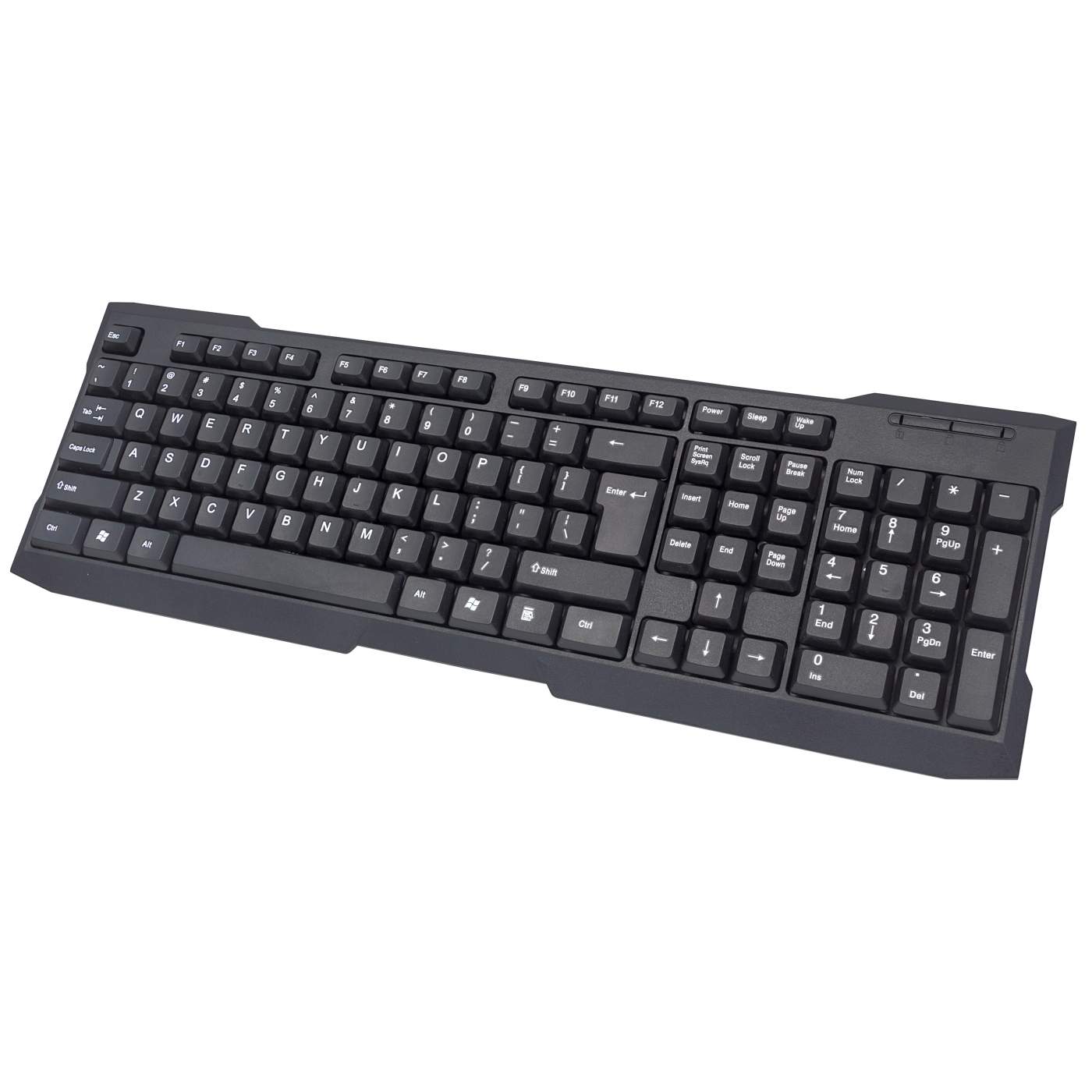
The Anatomy of Your Keyboard: Understanding Each Key's Purpose
Understanding the anatomy of your keyboard is essential for anyone who spends significant time typing. A standard keyboard consists of several key sections, each designed for specific functions. The most prominent part is the alphanumeric section, which contains the letters, numbers, and punctuation keys that form the basis of text input. Adjacent to this are the function keys (F1-F12), which offer various shortcuts for software applications, enhancing productivity. Below these are the control keys, including Shift, Ctrl, and Alt, which modify the input of other keys. Understanding how these sections interact can significantly improve your typing efficiency.
Another critical area of your keyboard is the navigation cluster, located on the right side. This cluster includes keys like Page Up, Page Down, Home, and End, which allow you to navigate documents with ease. Additionally, the numeric keypad, often found on the far-right side, simplifies entering numerical data and performing calculations. Familiarizing yourself with these keys not only makes typing more efficient but also enhances your overall computer usage experience. Understanding the purpose of each key helps you leverage your keyboard's full potential.
Counter-Strike is a multiplayer first-person shooter game that has gained immense popularity since its release. Players are divided into teams, typically Terrorists and Counter-Terrorists, and they compete to complete objectives such as planting or defusing bombs. The game emphasizes teamwork, strategy, and skill, making it a favorite in the competitive gaming community. For those looking to optimize their gaming experience, it's essential to consider the Top 10 Accessories for Coding with MacBook to enhance both performance and comfort during long gaming sessions.
Top 10 Tips to Improve Your Typing Speed and Accuracy
Improving your typing speed and accuracy is essential for anyone who regularly uses a computer. Here are top 10 tips to help you become a more efficient typist:
- Practice regularly using typing software or online tools designed specifically for enhancing typing speed.
- Familiarize yourself with the keyboard layout to reduce the time spent searching for keys.
- Maintain a proper posture and hand positioning when typing to enhance comfort and efficiency.
- Use all ten fingers instead of pecking with just a few, promoting a more balanced approach to typing.
- Focus on accuracy before speed; it’s essential to get the fundamentals right first.
As you implement these tips, you’ll begin to see improvements. Here are the final five suggestions:
- Set specific goals for your typing speed to keep yourself motivated and track your progress.
- Take breaks to avoid fatigue and maintain your focus.
- Engage in typing games and challenges to make practice enjoyable.
- Minimize distractions in your typing environment to maintain focus and improve concentration.
- Monitor your progress with typing tests regularly to see where you can improve further.
What Makes Mechanical Keyboards a Game-Changer for Typists?
Mechanical keyboards have revolutionized the typing experience for both casual users and professional typists alike. One of the key features that makes them stand out is their tactile feedback. Unlike traditional membrane keyboards, mechanical keyboards utilize individual mechanical switches beneath each key. This design allows for a more pronounced tactile response, which can enhance typing accuracy and speed. Users often report less finger fatigue during long typing sessions, making mechanical keyboards an ideal choice for those who spend hours in front of a computer.
In addition to ergonomics, mechanical keyboards offer superior customization options. Many models come equipped with programmable keys, allowing typists to set macros for frequently used commands or to create custom profiles tailored to specific applications. Furthermore, the variety of switch types—ranging from linear to clicky—provides the flexibility to choose a keyboard that matches individual preferences. This level of personalization not only improves productivity but also enhances overall user satisfaction, cementing the status of mechanical keyboards as a game-changer for typists.