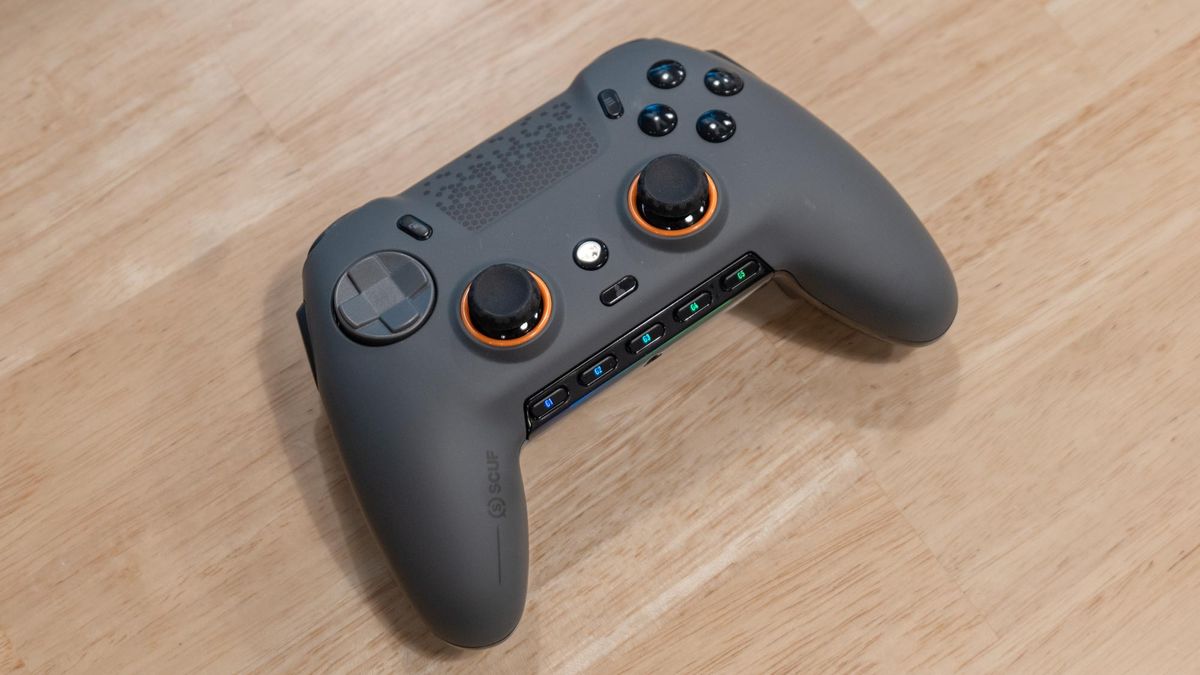
The Evolution of Gaming Controllers: From Joysticks to Wireless Wonders
The evolution of gaming controllers has been a fascinating journey that mirrors the rapid advancements in technology. It all began in the 1970s with simple joysticks, which were basic and often limited in functionality. Early home consoles, like the Atari 2600, featured these simple devices, allowing players to control their games with relative ease. As gaming systems evolved, so did the design of controllers. The addition of buttons brought a new layer of interaction, enabling more complex gameplay and expanding the variety of genres that could be enjoyed. By the 1990s, consoles like the PlayStation introduced ergonomic designs and dual-analog sticks, significantly enhancing the gaming experience.
Fast forward to the present day, and we see the rise of wireless controllers, which have redefined how players engage with their favorite games. The move to wireless technology has not only improved convenience but also accessibility, allowing players to immerse themselves in their games without the limitations of cords. Modern controllers come equipped with features such as haptic feedback, customizable buttons, and motion sensing, providing players with a more intuitive experience. As we look ahead, it will be exciting to see how gaming controllers continue to evolve, perhaps integrating virtual reality and biometric technology, further blurring the lines between the digital and physical worlds.
Counter-Strike is a highly popular tactical first-person shooter game that has captivated millions of players worldwide. The game emphasizes teamwork, strategy, and skill as players engage in competitive matches. For those looking to enhance their gaming experience, check out the Top 10 apple tv gaming controllers that can provide a significant advantage in gameplay.
How the Right Gaming Controller Can Enhance Your Gameplay Experience
Choosing the right gaming controller can significantly enhance your gameplay experience by providing improved comfort, responsiveness, and accuracy. For instance, gaming controllers come in various shapes and sizes, catering to different hand grips and preferences. Whether you are playing fast-paced shooters or immersive RPGs, a well-designed controller will ensure that your fingers can easily access all necessary buttons without fatigue. Furthermore, many modern controllers feature customizable settings and configurations, allowing players to tailor their controls to better suit their unique playing style.
Additionally, a high-quality gaming controller often incorporates advanced technology, such as haptic feedback and adjustable trigger sensitivity, which can provide a more immersive experience. These features can make actions in the game feel more authentic and enhance the overall enjoyment. Moreover, investing in a reliable controller can also contribute to improved performance, as the device can facilitate quicker reaction times and smoother gameplay transitions. Ultimately, selecting the right gaming controller is a crucial step in maximizing your gaming potential and achieving a more enjoyable experience overall.
What Makes a Gaming Controller Perfect for Competitive Play?
When it comes to competitive gaming, the right controller can make all the difference. A perfect gaming controller should prioritize responsiveness and precision, allowing players to execute complex maneuvers with ease. One of the most critical aspects is the quality of the analog sticks, which should offer a smooth range of motion and a high level of accuracy. Additionally, customizable buttons can significantly enhance gameplay by allowing players to configure their controller to suit their individual play style. This adaptability can be the edge that separates champions from casual gamers.
Another vital feature of an ideal gaming controller is ergonomics. During intense gaming sessions, comfort becomes essential to maintain focus and prevent fatigue. A design that supports the hand's natural position, along with textured grips and balanced weight distribution, contributes to prolonged playability. Many competitive gamers also prefer wired controllers to eliminate latency and ensure a stable connection. Ultimately, a perfect gaming controller combines these elements to create an experience that supports precision, comfort, and speed, which are paramount in competitive gameplay.