Exploring the Future: How Wireless Power is Revolutionizing Tech
The advent of wireless power technology is set to revolutionize tech in ways we can only begin to imagine. From charging your smartphone without the need for cumbersome cables to powering electric vehicles seamlessly, the applications of wireless power are rapidly expanding. This method utilizes electromagnetic fields to transfer energy over short distances, eliminating the need for direct connections. Not only does this offer convenience, but it also opens the door to innovative designs and functionalities in consumer electronics and industrial applications.
As we look into the future, the integration of wireless power is likely to become mainstream, impacting various sectors such as healthcare, automotive, and smart homes. For instance, imagine smart home devices that can operate without batteries, drawing energy from the environment. Furthermore, with advancements in safety and efficiency, we might see wireless charging stations in public spaces, enabling a seamless experience for users. The evolution of this technology holds the potential to change the framework of our everyday lives, making it a pivotal point of exploration in the intersection of technology and energy.
Counter-Strike is a highly popular multiplayer first-person shooter game that has captivated gamers since its inception. Teams of terrorists and counter-terrorists compete in various game modes, where strategy, teamwork, and quick reflexes are essential for victory. If you're looking to enhance your gaming setup, check out the Top 10 magsafe chargers to keep your devices charged and ready for action.
The Science Behind Wireless Charging: How Does It Work?
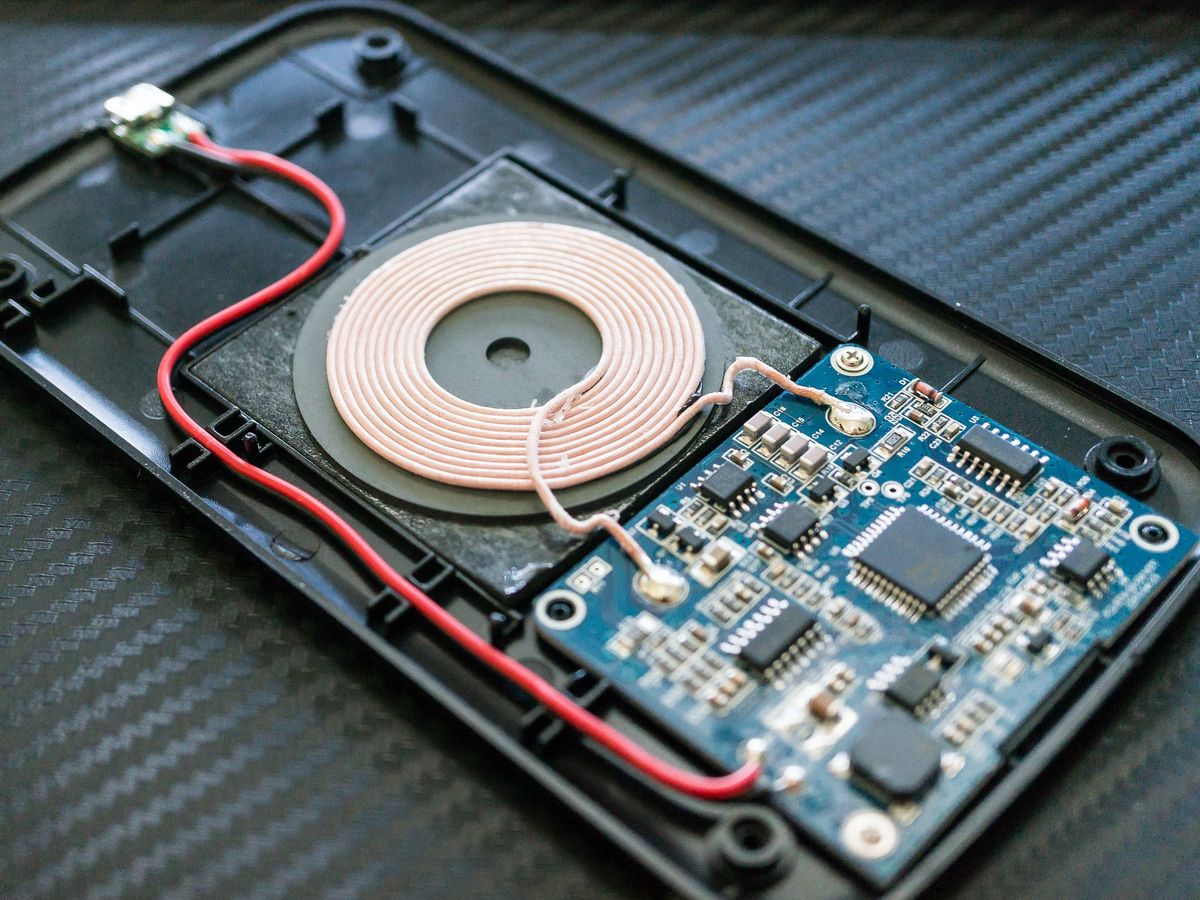
The science behind wireless charging utilizes electromagnetic fields to transfer energy between two coils. This process involves a transmitter coil and a receiver coil; when aligned properly, the transmitter emits a magnetic field that induces a current in the receiver coil. This current then charges the device's battery. The technology primarily relies on inductive charging, which is based on Faraday's law of electromagnetic induction. Although it sounds complex, the practical application is quite simple: place your device on a charging pad, and the energy transfer begins without the hassle of wires.
Another important aspect of wireless charging is its efficiency and safety. Most charging pads utilize Qi technology, which ensures devices communicate with the charger to optimize energy transfer, minimizing waste. When the device is fully charged or removed from the pad, the charger adjusts output automatically, which helps prevent overheating and prolongs battery life. Overall, the convenience and user-friendliness of wireless charging make it an appealing option for many, as it eliminates the clutter of cords while still keeping our devices powered up.
Is Wireless Power the Solution to Our Charging Woes?
In today's fast-paced world, wires and charging cables often lead to inconvenience and frustration. As our dependency on smart devices grows, so does the need for a more efficient and user-friendly charging solution. Enter wireless power technology, a game-changer that promises to eliminate the clutter of cables and enhance the overall user experience. By utilizing electromagnetic fields to transfer energy between a charging pad and a device, wireless power not only offers the potential for faster charging but also provides the flexibility to charge devices from a distance.
Despite its advantages, the widespread adoption of wireless power isn't without challenges. Issues such as compatibility with various devices, energy loss during transmission, and the need for standardized technology must be addressed. Furthermore, many consumers still rely on traditional charging methods, making it crucial for manufacturers to showcase the benefits of transitioning to wireless solutions. Ultimately, whether wireless power becomes the preferred choice for charging devices will depend on its ability to overcome these hurdles and offer a practical, efficient alternative to our current charging woes.