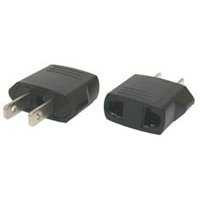
The Evolution of Adapters: How They Shape Our Digital Experience
The evolution of adapters has dramatically transformed our digital experience, making it more seamless and integrated. From the early days of bulky power adapters and simple audio jacks to today's sophisticated multi-port USB-C hubs, each advancement has been driven by the need for convenience and compatibility. These subtle but critical devices have allowed us to connect various gadgets—from smartphones and tablets to laptops and gaming consoles—enhancing functionality and user experience. The demand for versatility has led manufacturers to innovate, resulting in a wide array of adapters that can support multiple functions, such as charging, data transfer, and video output all in one.
Today, adapters play an essential role in our daily lives, but their significance extends beyond mere connectivity. For instance, the rise of smart home technology has led to the development of adapters that enhance communication between devices, contributing to a more efficient and automated environment. Additionally, as the world transitions to a more sustainable future, many adapter designs now prioritize eco-friendly materials and energy efficiency, reflecting a growing awareness of environmental responsibility. As technology continues to advance, we can anticipate even more innovative solutions that will further shape our digital interaction, ensuring that our devices remain connected and integrated.
Counter-Strike is a highly popular multiplayer first-person shooter that pits teams of terrorists against counter-terrorists in various objective-based game modes. Players can improve their skills through practice and strategy, making it a favorite in the competitive gaming scene. For those looking to enhance their gaming setup, check out the Top 10 usb c accessories that can take your experience to the next level.
Understanding Different Types of Connectors: What You Need to Know
When working with electronics or electrical systems, it’s crucial to understand the different types of connectors available. Connectors serve as the interface between two or more electronic components, facilitating the flow of electricity and data. They can be categorized broadly into two types: circular connectors and rectangular connectors. Circular connectors, such as XLR and USB connectors, are popular for audio and data applications due to their durability and ease of use. In contrast, rectangular connectors, like the popular RJ45 connectors used in networking, provide a compact solution for high-density applications. Knowing these categories helps you choose the right connector for your project.
Beyond mere categories, connectors can also vary in terms of their mechanical and electrical properties. For instance, some connectors are designed for high voltage applications, while others are optimized for signal integrity and minimal interference. Factors such as pin count, locking mechanisms, and environmental resistance should also be considered when selecting a connector. In summary, understanding these aspects of connectors ensures you make informed decisions, improving the reliability and performance of your electronic systems.
Common Connectivity Issues and How to Troubleshoot Them
In today's digital age, connectivity issues can be incredibly frustrating, whether you're at home or in the office. Common connectivity problems include issues with Wi-Fi signals, slow internet speeds, and difficulties in connecting devices to a network. To troubleshoot these issues, start by checking your router and ensuring it’s powered on and properly connected. If you're dealing with a weak signal, try moving closer to the router or reducing interference from other electronic devices. Additionally, restarting your router can often resolve temporary glitches.
Another common issue involves device connectivity. If your device won't connect to the network, make sure Wi-Fi is enabled on the device and that you're entering the correct password. It can also be beneficial to forget the network on your device and reconnect as this often resets the connection settings. For a more persistent problem, consider checking your network settings and updating your device's firmware. If all else fails, contacting your Internet Service Provider (ISP) for assistance may be necessary.